

INSPECTION BEFORE BOATING
Failure to inspect your boat and motor before beginning a trip can be hazardous.
Before boating, always perform the inspections described in this section.
It is important to make sure that your boat and motor are in good condition and that you are properly prepared for an emergency.
Always perform the following checks before you begin boating:
● Check that you have enough fuel for the intended run.
● Check the level of engine oil in the sump.
Running the engine with an insufficient amount of oil can cause serious engine damage.
Always check the oil level before each trip and add oil if necessary.
To check the oil level:
To avoid an incorrect assessment of engine oil level, check the level only when the engine has cooled.
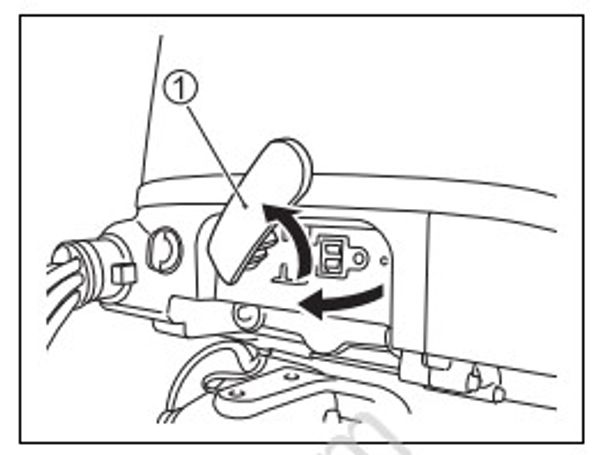
- Place the motor in a vertical position, then remove the motor cover by unlocking the lever (1), (2) and (3).

- Turn the oil dipstick 90 degrees to the left and pull it out, and wipe oil off with a clean cloth.
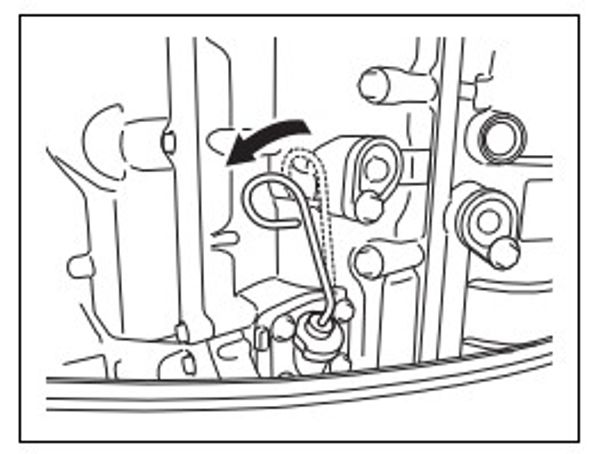
If the engine oil is contaminated or discolored, replace with fresh engine oil. Refer to the ENGINE OIL section.
- Insert the dipstick all the way into the engine, then remove it again.
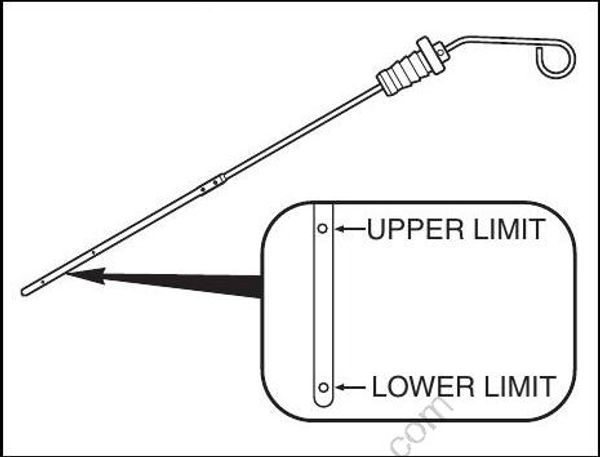
The oil on the dipstick should be between the upper and lower limits shown on the dipstick. If the oil level indication is near the lower limit, add enough oil to raise the level to the upper limit.
To fill the engine with oil:
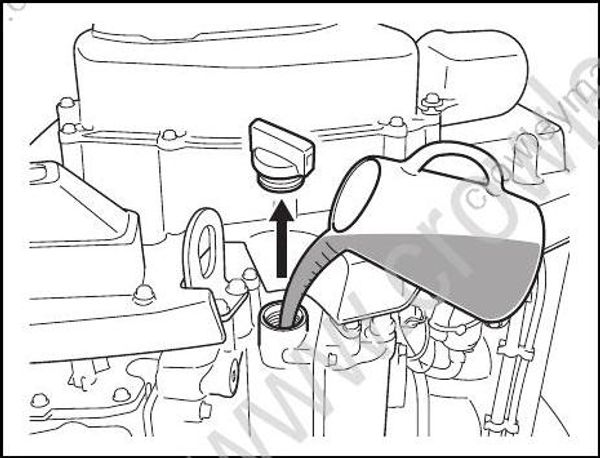
Remove the oil filler cap.
Fill with recommended engine oil to the upper level.
- Insert the oil dipstick and turn it 90 degrees to the right, back to its original position as shown in the figure.
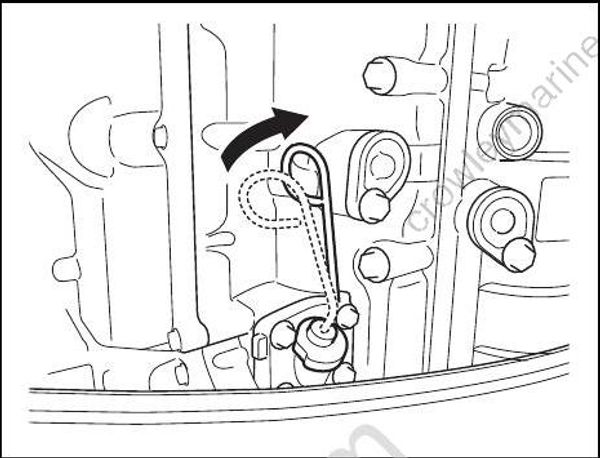
If the oil dipstick knob is not correctly positioned when installing the motor cover, the oil level gauge would be damaged.
When the motor cover is to be attached, make sure that the oil dipstick knob is positioned as shown in the figure.
Running the engine with an excessive amount of oil can damage the engine.
Do not overfill the engine with oil.
- Tighten the oil filler cap securely