

ENGINE STALLING CAUTION SYSTEM
This system informs the operator when the motor stalls while it is operating.
When the engine stalls for any reason, the caution buzzer sounds three times.
WATER IN FUEL ALERT SYSTEM
This engine is equipped with an integral fuel filter/water separator and associated alert system.
The alert system will activate if water separated from the fuel exceeds a specific volume.
If this system activates, the red REV-LIMIT lamp will flash and a buzzer will begin a series of triple beeps when the engine is in neutral only.
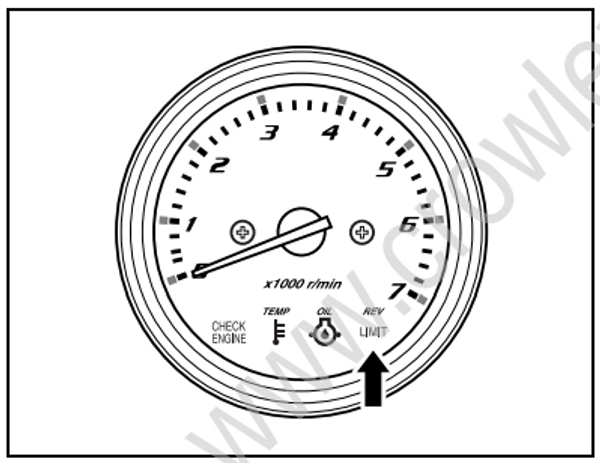
If this system activates, stop the engine immediately, if wind and water conditions are safe to do so, and check the fuel filter/water separator for water. Or consult your authorized Suzuki marine dealer.
For inspection and cleaning of the fuel filter, refer to the LOW PRESSURE FUEL FILTER in the INSPECTION AND MAINTENANCE section.
OPERATION OF TILTING SYSTEMS
POWER TRIM AND TILT
The “Power Trim and Tilt” is operated by pressing the switch. To tilt the motor up, press the upper part of the switch. To tilt the motor down, press the lower part of the switch.
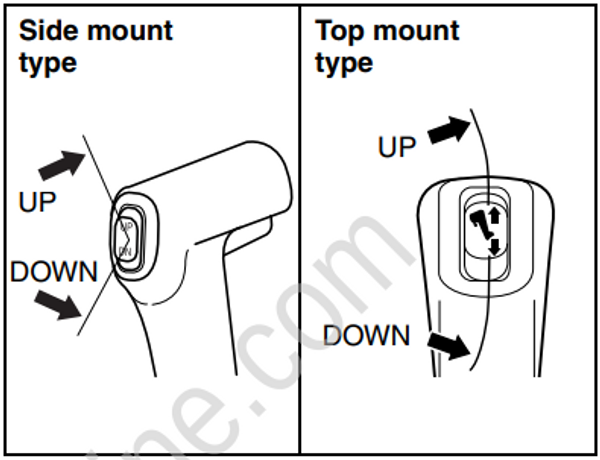
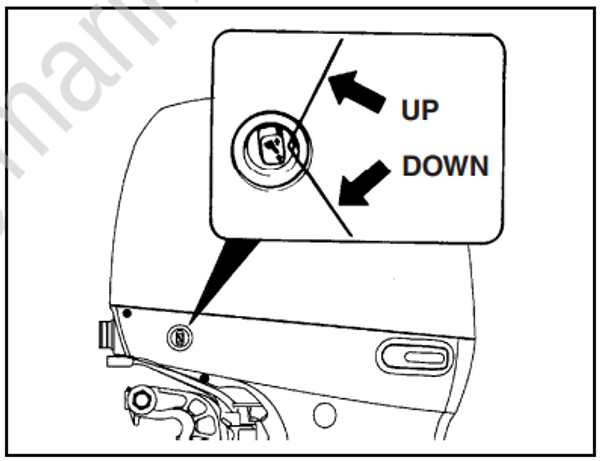
The power trim and tilt (PTT) switch can be accidentally activated when the ignition key is off, resulting in injury.
Keep all persons away from the outboard motor to help prevent accidental activation of the PTT system.
MANUAL TILTING
If you are unable to tilt the motor using the “Power Trim and Tilt” because of an electrical problem or some other problem, you can move the motor manually. To tilt the motor up or down, turn the manual release screw (A) two turns counterclockwise, move the motor to the desired position, then retighten the release screw.
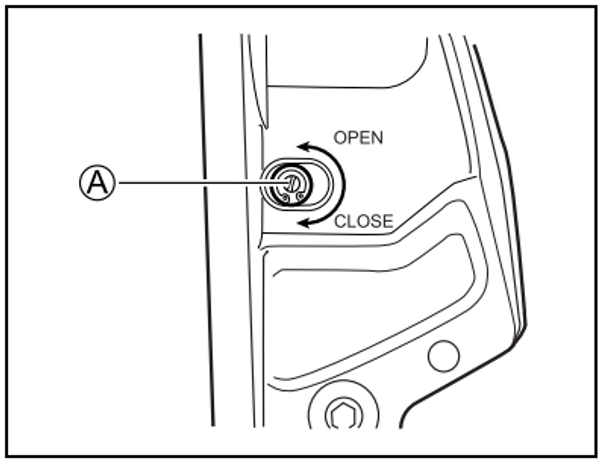
The motor is very heavy. When you tilt it manually, you could injure your back or slip and fall causing injury.
When you tilt the motor manually, ensure that your grip and footing are secure and that you are able to support the weight of
the engine.
TILT LEVER
The Tilt Lever is provided so you can support the motor in a tilted position for non-moving engine support.
To set the Tilt Lever:
Tilt the motor all the way up using the Power Trim and Tilt.
Pull down the Tilt Lever as shown in the illustration.
Lower the motor using the Power Trim and Tilt, until the motor is supported by the Tilt Lever.
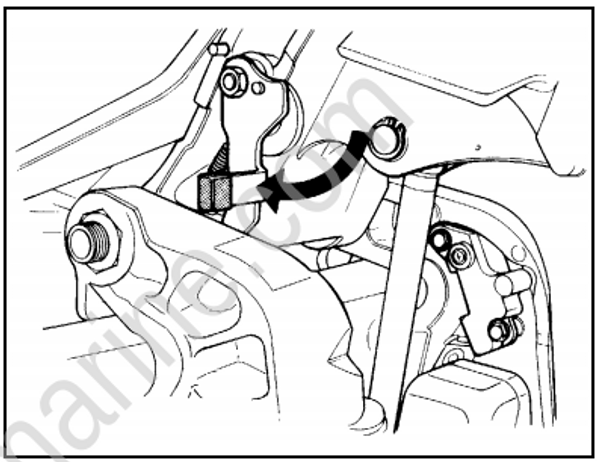
To release the Tilt Lever, tilt the motor all the way up using the Power Trim and Tilt “UP” switch, and pull up the Tilt Lever.
The remote Power Trim and Tilt switch will work when the ignition switch is off. If someone activates the switch while you are moving the tilt lever, your hand could be injured.
Keep all persons away from the remote Power Trim and Tilt switch while you are moving the tilt lever.
Damage can occur if you use the tilt lever other than when the boat is moored or is otherwise stationary.
The tilt lever relieves pressure from the power trim and tilt and should only be used when the boat is stationary. Do not use the tilt lever when trailering your boat and motor. Refer to the TRAILERING section of this manual.
INSPECTION BEFORE BOATING
Failure to inspect your boat and motor before beginning a trip can be hazardous.
Before boating, always perform the inspections described in this section.
It is important to make sure that your boat and motor are in good condition and that you are properly prepared for an emergency.
Always perform the following checks before you begin boating:
Check that you have enough fuel for the intended run.
Check the level of engine oil in the sump.
Running the engine with an insufficient amount of oil can cause serious engine damage.
Always check the oil level before each trip and add oil if necessary.
To check the oil level:
To avoid an incorrect assessment of engine oil level, check the level only when the engine has cooled.